Shortage of experts
in mechanical installations
Construction in Mexico faces a new challenge that is beginning to have a direct impact on the profitability and viability of projects: the shortage of skilled labor in mechanical installations. This aspect (installation of HVAC, plumbing, ventilation, water, and climate systems) is not usually the default focus in an engineering firm or construction management, yet its impact on deadlines, costs, and quality is very real. In this article, we will analyze why this is happening, how it impacts the construction chain, and what developers, contractors, and engineers can do to stay ahead of the problem.
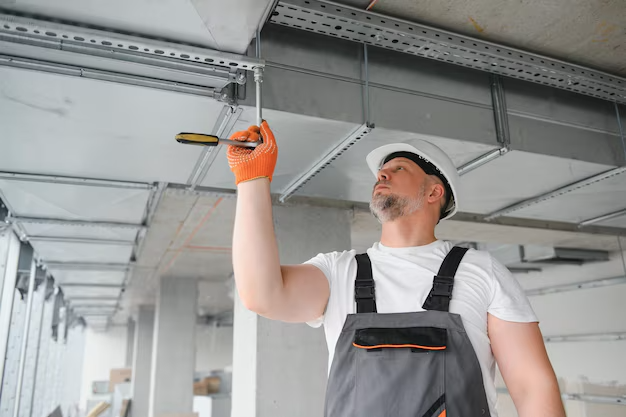
Why is there a shortage of mechanical specialists?
First, it is worth understanding the origin of the deficit. As with other construction trades, the profile of mechanical systems installer has lost its appeal among young people. Changes in the labor market and the trend toward less physical services mean that few choose to apprentice in construction. In addition, many installation companies have not articulated clear paths for training and professional growth, making it difficult to attract qualified talent.
On the other hand, the pace of real estate and infrastructure development is growing ever faster, creating a demand that the supply of installers cannot meet. In many recently awarded projects, contracts require integrated design-build models or more complex installations (smart buildings, VRF systems, efficient air conditioning). This requires specialized technicians, further amplifying the gap. Finally, the lack of formalization in the mechanical installation sector (temporary jobs, subcontractors without systematic training, etc.) contributes to there being fewer certified professionals with solid experience available.
Impact on deadlines, costs, and quality
When construction projects cannot find qualified mechanical installers, this has repercussions that are felt at every stage. In the planning phase, bottlenecks can arise: ducts left uninstalled, HVAC equipment awaiting installation, hydraulic systems arriving late. This delays the next part of the work and can lead to cost overruns due to delays.
In terms of costs, the shortage leads to technicians demanding higher wages or incentives, or to the hiring of less experienced labor that can make mistakes that later result in costly rework. In terms of quality, the risks increase: poorly aligned installations, inadequate ventilation, poorly calibrated air conditioning systems, or pipes without sufficient support can lead to premature failures, which in turn damage the reputation of the developer or engineering firm. For a design company, this means that the design must consider not only functionality, but also the reality of on-site execution: is it feasible to install this system with the available human resources? Has sufficient time and assembly been allowed for?
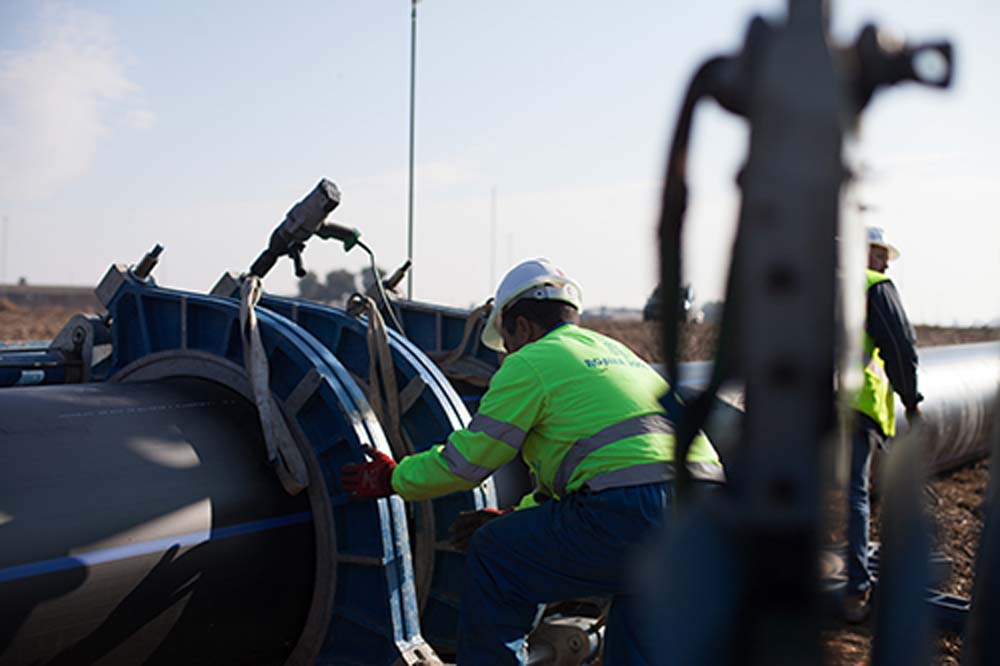
What contractors and engineering firms can do
This is where management opportunities arise. First, hire specialized labor as part of the project strategy: seek out certified installers or those with experience in similar projects, and engage them from the assembly phase onwards. This includes having a realistic schedule that takes into account training courses, testing, and adjustments.
Second, consider the design for installability (also called installation-friendly): mechanical engineers should develop duct, pipe, and access routes with the understanding that the available technicians are not elite experts, but they are capable. This means wide access, clear documentation, use of prefabricated components when feasible, and simplified assembly criteria when resources are scarce.
Third, invest in training from the company. Developers and contractors can collaborate with local technical institutions to train specialized installers: short courses in HVAC, piping, ventilation calibration, use of digital tools, etc. This investment attracts young talent to the sector and reduces turnover. In addition, engineering firms can include these aspects as additional services: offering installation manuals, technical supervision of assembly, and training of construction crews.
Options for bridging the gap
The shortage of skilled labor opens the door to technological solutions: prefabrication of installation modules, plug-and-play systems, use of BIM for advance coordination, and laser scanning for route verification. For example, an air conditioning module can arrive at the construction site already assembled, reducing assembly time and dependence on highly specialized technicians. Similarly, a BIM model associated with the mechanical installation allows for the anticipation of interference, optimization of assembly times, and reduction of the workload on site. For the engineering firm, proposing these solutions is an added value for the developer or contractor.
In addition, the digitization of the construction site allows real-time monitoring of the installation: mobile applications for technicians, digital checklists for pipe support, and recording of functional tests through photos and scanning. This control helps to compensate for the reduced availability of highly specialized technicians: when labor is reduced, the quality of supervision and traceability must be increased.
Although there are solutions, the problem will not disappear overnight. New real estate and infrastructure developments will continue to demand mechanical installers until a substantial generational change is achieved. Therefore, it is recommended that companies implement three strategic policies:
- Create professionalization paths for mechanical technicians, with incentives and visible growth, to attract young people to the trade.
- Establish long-term contracts with installation subcontractors that include training, certified quality, and stable relationships.
- Promote designs and specifications that reduce labor intensity, using prefabricated components, modules, and standardized systems whenever feasible.
For engineering firms such as Alher Sem, this is an opportunity: to offer not only traditional mechanical design but also to accompany the installation, supervision, operation and maintenance manual, anticipating shortages. This comprehensive approach increases the competitiveness and confidence of the developer or owner.
In conclusion, the shortage of skilled labor in mechanical installations is a growing challenge affecting the entire construction sector in Mexico. It is not just a matter of finding more technicians, but of rethinking the design, execution, and management of construction projects to accommodate a more scarce human resources environment. For engineering firms, contractors, and developers, this means taking a proactive approach: training talent, applying technology, designing for installability, and offering more comprehensive services. If action is taken in time, this challenge can be turned into a competitive advantage, delivering high-quality projects on time and with less operational risk.